Deep infrastructure · intelligence · scale

The coordination layer for AI infrastructure.

Research preview

Everything on this page is a simulation-backed research preview: no live production deployment or real facility telemetry yet.

5-region simulation Workload-first coordination Operator-reviewed actions Compute · Energy · Thermal
Scroll
37.7762° N · 122.4172° W

Helicyn coordinates compute, energy, and thermal systems across AI infrastructure.

As AI workloads move across GPU clusters, power markets, cooling limits, and regional grids, Helicyn helps operators decide where and when work should run, reducing waste without sacrificing utilization.

Coordination preview Simulated VIRGINIA CONSTRAINED OREGON AVAILABLE FRANKFURT AVAILABLE SINGAPORE CONSTRAINED TOKYO AVAILABLE Helicyn Coordinating
CH 02 · OPERATING STACK
Why this matters · one coordinated stack

AI infrastructure is no longer a single-site problem.

Training, inference, cooling, power, and grid conditions now move on different clocks. A cluster may have spare GPUs but no cooling headroom. A region may have cheap power but high carbon intensity. Helicyn coordinates eight layers together instead of optimizing each in isolation. Select a layer to see what it contributes.

01 / 08 · First control surface

Training, inference, and batch jobs enter with priority, SLA flexibility, and deadline constraints already attached. This is where a coordination decision starts.

Not cooling-only
Detect Coordinate Optimize Verify
CH 03 · TELEMETRY WALL
What Helicyn observes

Eight signals, one board.

Every coordination decision starts with the same simulated telemetry, read together instead of by separate teams on separate dashboards.

Workload queuesQueued & running jobs
GPU utilizationFleet-wide %
SLA constraintsDeadline & latency risk
Power prices$ / MWh, by region
Carbon intensityg CO₂e / kWh
Cooling telemetryZone load & setpoints
Thermal headroomMargin to limit
Regional capacitySpare GPU by region
Feeds the coordination engine
CH 04 · DECISION GRAPH
What Helicyn evaluates

From signal to verified action.

Six steps turn an observed constraint into an operator-approved, verified outcome.

  1. 01Detect constraint
  2. 02Score placement
  3. 03Simulate tradeoff
  4. 04Generate recommendation
  5. 05Operator review
  6. 06Verify impact

AI data centers are becoming constrained by more than chips.

The bottleneck is no longer silicon. It is coordination between compute demand, power availability, cooling capacity, grid conditions, and the physical plant itself.

Today each of these is run as a separate layer, by separate teams, on separate clocks.

Our thesis is that the next generation of AI infrastructure software will not optimize one layer in isolation. It will coordinate compute, energy, cooling, and physical constraints as one system.

We start with energy and thermal optimization for AI data centers. The direction is an operating layer for large-scale computational and physical infrastructure.

Read the report Research page Full technical report published.

The physical infrastructure layers Helicyn coordinates.

Compute · Energy · Cooling · Facility
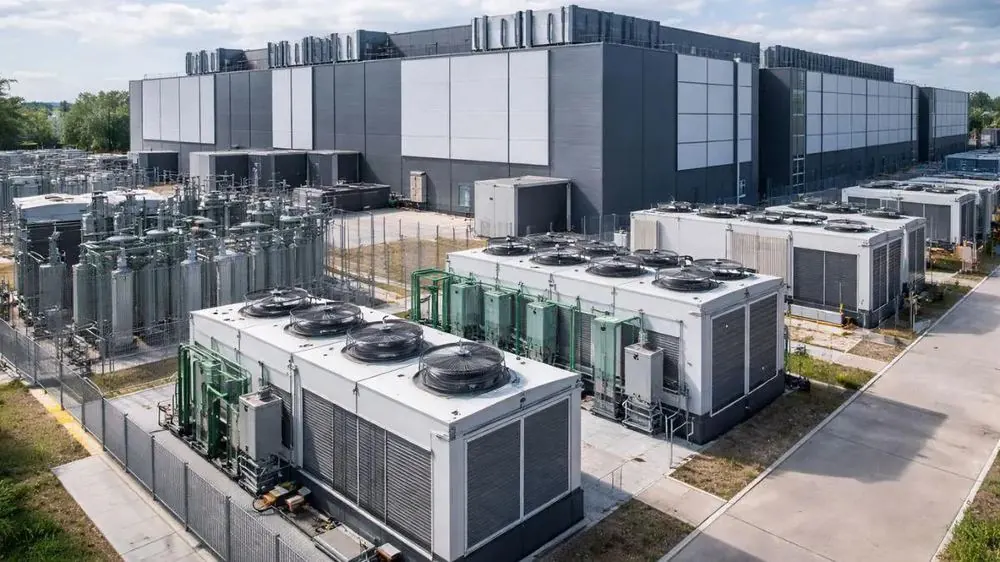
AI accelerator compute hardware
Layer 01 Compute GPU clusters · utilization · thermal load
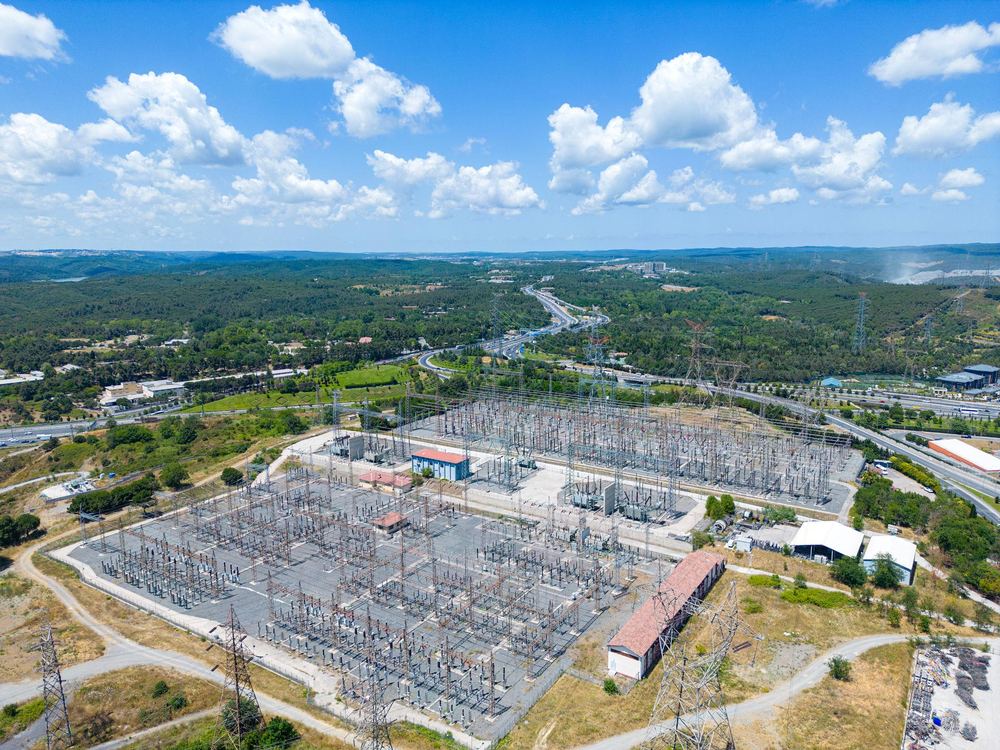
Electrical grid infrastructure
Layer 02 Energy Power prices · grid conditions · carbon
Data center cooling infrastructure
Layer 03 Cooling Zone load · setpoints · headroom
Abstract data infrastructure
Layer 04 Facility One coordination layer across the physical plant
What we are building

Four problems, treated as one.

01

Coordination

Route workloads across regions, facilities, and thermal zones based on real-time infrastructure constraints.

02

Optimization

Balance GPU utilization, energy cost, carbon intensity, cooling load, and PUE without treating them as separate problems.

03

Operator control

Surface recommended actions, confidence levels, and projected impact with verification before changes are approved.

04

Scale

Designed for distributed AI infrastructure, not isolated server rooms: multiple regions, multiple grids, multiple workloads, one coordination layer.

Local optimization → fleet coordination

From local optimization to fleet coordination.

Traditional facility optimization
  • Starts inside one data center
  • Focuses on cooling, power, and plant efficiency
  • Optimizes the workload where it already sits
  • Improves local metrics such as PUE and thermal stability
Helicyn coordination layer
  • Starts across the fleet
  • Decides where and when work should run
  • Coordinates workload placement, grid signals, thermal risk, and facility conditions
  • Then applies local optimization inside the selected facility

Local optimization still matters. Helicyn simply treats it as one layer inside a larger coordination problem.

All systems nominal Sync02:07:39 UTC RegionUS-WEST · GLOBAL Buildv1.2.0 · 2026.10 StagePRE-SEED · BUILDING
Control plane simulation

See the coordination layer in motion.

The Control Plane shows the hierarchy of decisions: first route or defer work, then rebalance regional load, then adjust facility-level cooling and power settings, then verify the result.

Detect constraint Move / defer workload Rebalance region Adjust local systems Verify savings
View interactive demo
Current state · research preview

What exists today.

Helicyn is currently a research-backed simulation and interface prototype. The control plane demonstrates the coordination logic behind workload placement, thermal-aware scheduling, cooling impact, and operator approval.

The next step is validating these methods against published research, synthetic fleet simulation, and technical review.

Simulation / prototype Technical report published
Founding Partner Program

Pre-commercial now. Platform subscription at launch. Performance-based pricing only after verified savings.

Helicyn is currently pre-commercial. Founding partners receive early access, direct product input, priority onboarding, and preferred launch pricing when the platform launches.

Stage 1 · Now

Founding Partner

Pre-commercial. Relationship-first: product feedback, design partnership, and early validation. Not a paid production product yet.

Stage 2 · Future

Commercial Launch

Proposed annual enterprise SaaS/platform subscription once the platform is production-ready, coordinating workloads, energy, cooling, and infrastructure.

Stage 3 · Future

Performance-Based Pricing

Once savings are verified, the customer keeps most of the savings and Helicyn receives an agreed percentage.

We're hiring

Join a small founding team.

We're looking for a CTO, COO, CMO, and CFO to help build Helicyn from the ground up. Open only to current UC Berkeley students based in the San Francisco Bay Area.

Chief Technology Officer

Own the simulator, ML prototype, and technical roadmap end to end.

Chief Operating Officer

Keep a small team, its partners, and its timelines on track.

Chief Marketing Officer

Shape how Helicyn's coordination-first thesis reaches operators and partners.

Chief Financial Officer

Own the model, the runway, and the eventual pricing mechanics.

FAQ

Common questions.

01What is Helicyn?
Helicyn is a coordination layer for AI infrastructure: a research-backed simulation and control-plane prototype that coordinates compute placement, power availability, cooling capacity, and carbon-aware scheduling across a fleet of data centers, instead of optimizing each system in isolation.
02Who is it for?
Data center operators and infrastructure teams running GPU workloads at fleet scale, who need to coordinate compute, energy, and thermal constraints across multiple regions rather than tuning one facility at a time.
03How does it reduce data center energy cost?
By routing AI workloads with energy coordination in mind: shifting placement and timing based on regional power availability, cooling headroom, and carbon intensity, then surfacing operator-approved recommendations instead of acting unilaterally.
04Is it a cooling system?
No. Helicyn doesn't cool, power, or physically operate anything. It's a software coordination layer that reads signals from compute, energy, and cooling systems and recommends workload-placement actions across them.
05Is there a demo?
Yes. The control plane demo is an interactive, simulation-backed walkthrough of the coordination logic: workload placement, thermal-aware scheduling, and operator-approved actions.
Quick contact

Prefer email first? Leave an address.

Leave an email if you want to review the thesis, test the simulation, or discuss infrastructure coordination before applying. Conversations are private. To formally apply as a founding partner, use the onboarding form instead (requires an account, sign in at /login).

Usually replies within 48 hours

I am a…

// conversations are private